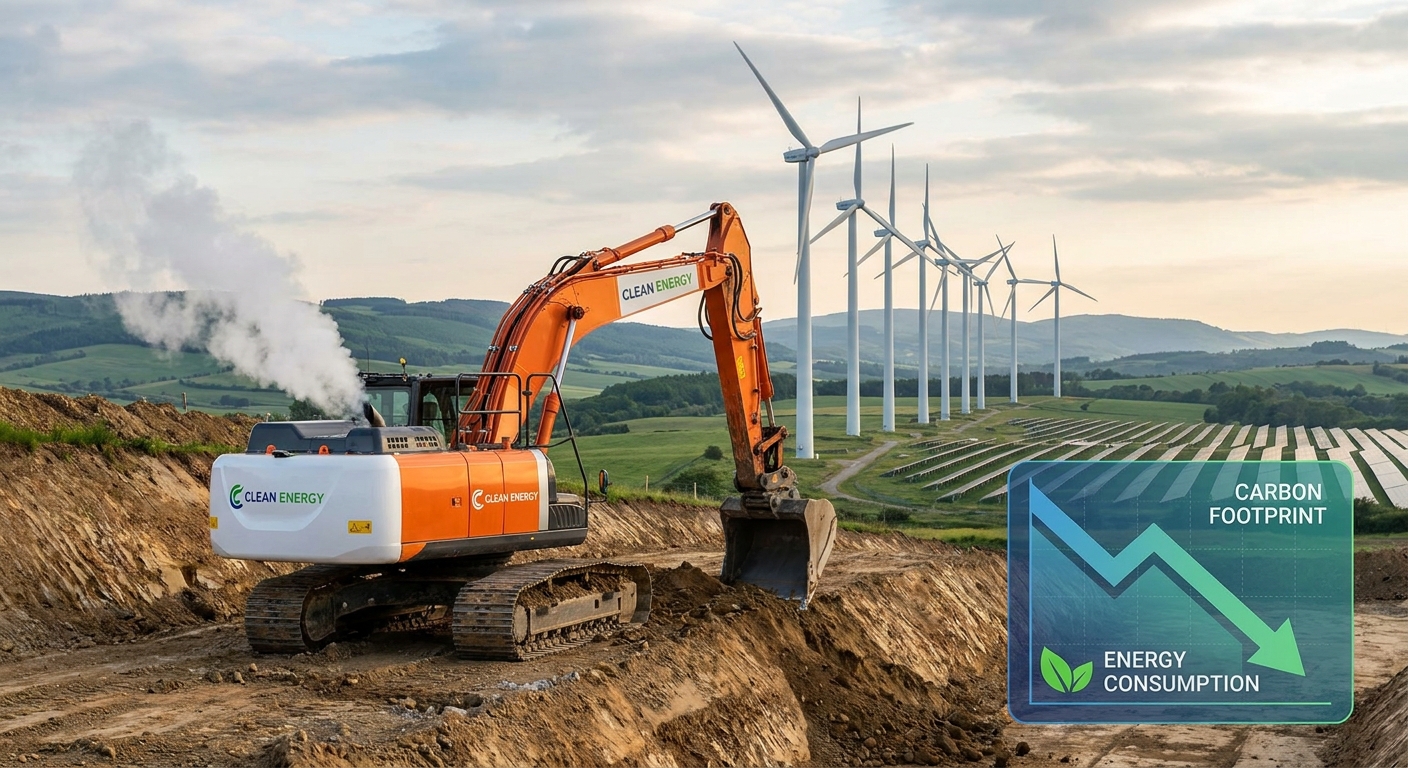
The Era of Sustainable Industrial Transformation
The global energy transition is no longer a distant concept but an immediate imperative, profoundly reshaping every sector, especially heavy industry. Manufacturers of machinery, from colossal excavators to precision machine tools, are at the forefront of this evolution. They face the dual challenge of maintaining robust output while drastically reducing their environmental footprint. This article delves into how heavy industry is adapting its machinery to meet new constraints imposed by the energy transition, focusing on energy efficiency, emission reduction, and the demands of a greener global infrastructure.
The Imperative of Adaptation: Driving Forces and Core Principles
The push for adaptation in heavy industry is multifaceted. Regulatory pressures, consumer demand for sustainable products, the rising cost of fossil fuels, and a collective global commitment to climate goals are all converging to demand change. For heavy industry, this translates into a fundamental rethinking of how machines are designed, powered, and operated. The core principles guiding this transformation are clear: maximize energy efficiency and drastically reduce greenhouse gas emissions across the entire operational lifecycle.
Enhancing Energy Efficiency in Heavy Machinery
One of the most immediate and impactful areas of adaptation is energy efficiency. New machine designs are incorporating lighter, stronger materials to reduce operational weight and fuel consumption. Advanced hydraulic systems are being optimized for minimal energy loss, while electric and hybrid powertrains are becoming standard, replacing traditional diesel engines. Furthermore, the integration of AI and IoT technologies allows for predictive maintenance, optimized operational schedules, and real-time energy monitoring, ensuring machines run at peak efficiency and reduce downtime.
Reducing Emissions Through Technological Advancements
Emission reduction extends beyond just fuel efficiency. The industry is exploring and implementing a range of solutions:
- Alternative Fuels: Hydrogen fuel cells and battery-electric powertrains are gaining traction in off-highway and heavy-duty applications, eliminating direct emissions.
- Carbon Capture: For processes where direct electrification isn't feasible, integrated carbon capture technologies are being developed for industrial machinery and power generation units.
- Improved Filtration Systems: Enhancements in exhaust gas treatment and particulate filters are reducing pollutants even from conventional combustion engines.
Machines for a Sustainable Future: New Applications and Infrastructure
The energy transition isn't just about making existing operations greener; it's about building an entirely new sustainable infrastructure. Heavy machinery is indispensable for these new projects:
Supporting Renewable Energy Infrastructure
- Offshore Wind: Specialized heavy-lift vessels, pile drivers, and installation machinery are crucial for erecting massive offshore wind turbines and their foundations.
- Solar Farms: Automated ground preparation equipment, panel installation robots, and trenching machines streamline the deployment of large-scale solar arrays.
- Hydroelectric and Geothermal: Precision drilling rigs, turbine manufacturing tools, and earthmoving equipment are adapted for these renewable energy construction and maintenance projects.
Enabling Green Mining and Resource Management
The demand for critical minerals for batteries and renewable technologies is rising, necessitating a greener approach to mining. Electric mining vehicles, autonomous drilling systems, and advanced processing equipment are reducing the environmental impact of extraction. Furthermore, machinery for recycling construction and demolition waste, as well as industrial by-products, is becoming vital for circular economy initiatives, minimizing the need for virgin resources.
Practical Advice for Heavy Industry Players
Navigating this complex transition requires strategic planning and investment:
Invest in R&D and Collaboration
Stay ahead by investing in research and development for new materials, propulsion systems, and digital integration. Collaborate with technology startups, research institutions, and even competitors to accelerate innovation and share expertise.
Leverage Digitalization and AI
Implement IoT sensors, data analytics, and AI algorithms to optimize machine performance, predict maintenance needs, and manage energy consumption more effectively. Digital twins can simulate complex operations, allowing for virtual testing and optimization.
Upskill Your Workforce
The new generation of heavy machinery requires different skills. Invest in training programs for your operators and technicians to handle electric powertrains, advanced control systems, and data analytics.
Consider Refurbishment and Retrofitting
For many existing machines, a complete replacement might not be feasible or necessary. Explore options for retrofitting older equipment with energy-efficient components, new control systems, or even alternative fuel conversions. As a dealer of new and used machinery, we see immense value in extending the life cycle of robust equipment through modern upgrades.
Focus on Lifecycle Assessment
Adopt a holistic approach, evaluating the environmental impact of machinery from raw material extraction to manufacturing, operation, and end-of-life disposal. This ensures truly sustainable choices.
Conclusion
The energy transition presents heavy industry with monumental challenges, but also unprecedented opportunities. By embracing innovation in machine design, power sources, and operational intelligence, manufacturers and operators can not only meet new environmental constraints but also unlock significant efficiencies and competitive advantages. The future of heavy industry is one where powerful, efficient machines drive the construction of a sustainable world, demonstrating that robust performance and environmental stewardship can indeed go hand in hand.