Global Leaders in Heavy Machinery: Who Dominates the Market and Why?
Recently published | By our experts
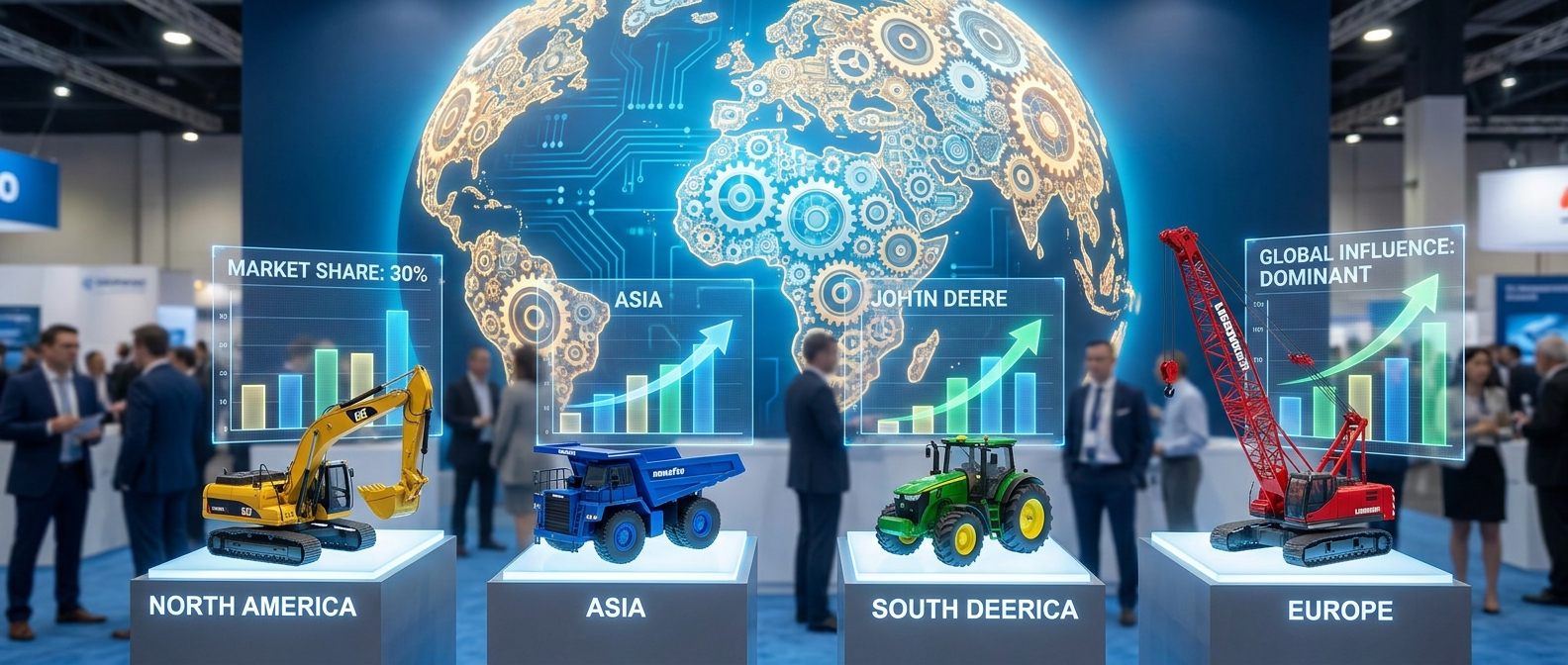
The global heavy machinery market is a colossal industry, fundamental to infrastructure development, mining operations, and logistics worldwide. Valued at hundreds of billions of dollars, it is characterized by massive equipment, complex engineering, and a competitive landscape dominated by a few venerable giants and rapidly ascending challengers. Understanding who these leaders are and the strategies behind their dominance is crucial for anyone involved in or observing this vital sector.
The Titans of Industry: Identifying the Key Players
While numerous manufacturers populate the heavy machinery space, a select group consistently holds the largest market shares, setting industry standards and driving innovation.
Caterpillar (CAT)
Often considered the undisputed king, Caterpillar, an American corporation, boasts the broadest product line, spanning construction, mining, power systems, and engines. Its iconic yellow machines are ubiquitous across continents. Caterpillar’s dominance stems from its immense global dealer network, robust brand recognition built over a century, continuous innovation in technology (like telematics and automation), and a strong aftermarket support system that ensures machine longevity and high resale value.
Komatsu
Hailing from Japan, Komatsu is a formidable contender, particularly strong in construction and mining equipment. Renowned for its technological prowess, Komatsu has been a pioneer in automated construction equipment, hybrid excavators, and smart construction solutions. Its focus on quality, durability, and advanced electronics gives it a significant edge, particularly in Asia and parts of North America and Europe. Komatsu’s commitment to sustainable solutions and operator comfort further strengthens its market position.
Sany Group
A relatively newer but rapidly ascending force, Sany Group is a Chinese multinational heavy equipment manufacturing company. In a relatively short span, Sany has grown to become a global leader, especially in concrete machinery, cranes, and excavators. Its rapid expansion is fueled by aggressive R&D, competitive pricing, strong government support in its home market, and a strategic push into international markets, particularly in emerging economies. Sany’s innovative approach, including venturing into electric heavy machinery, signals its ambition to challenge the long-established leaders.
Other Significant Contenders
The market also features other powerful players like John Deere (strong in agriculture and construction, particularly in North America), Volvo Construction Equipment (known for fuel efficiency and sustainability-focused machines, strong in Europe), Hitachi Construction Machinery (excavators and mining equipment), and Liebherr (cranes, earthmoving, and mining equipment, with a reputation for precision engineering).
Strategies for Market Dominance
The success of these global leaders is not accidental but a result of multifaceted strategies tailored to a demanding global market.
Innovation and Technology Adoption
Continuous investment in research and development is paramount. Leaders are at the forefront of integrating technologies such as GPS, AI, IoT, telematics, automation, and electrification into their machines. This enhances efficiency, safety, and productivity, offering customers higher returns on investment.
Global Manufacturing and Distribution Networks
These companies operate vast global manufacturing footprints, allowing them to optimize production and supply chains. Crucially, their extensive dealer networks provide sales, service, and parts support in virtually every major market, ensuring customer satisfaction and machine uptime.
Specialization and Diversification
While some specialize in particular segments (e.g., Liebherr in cranes), the top players offer diversified product lines catering to multiple industries, from construction and mining to forestry and material handling. This diversification mitigates market risks and broadens their customer base.
Financial Strength and Acquisitions
Their substantial financial resources enable them to invest heavily in R&D, expand into new markets, and acquire smaller innovative companies to integrate new technologies or market segments. This consolidates their power and expands their reach.
Customer Support and Aftermarket Services
For heavy machinery, the initial purchase is just the beginning. The availability of genuine parts, efficient maintenance services, operator training, and extended warranties are critical. Leaders excel in providing comprehensive aftermarket support, which builds strong customer loyalty and ensures maximum operational life for their equipment.
Navigating the Future: Trends and Challenges
The heavy machinery market is constantly evolving. Manufacturers are increasingly focusing on sustainability, developing electric and hydrogen-powered machines to reduce emissions. Digital transformation, including remote operation and predictive maintenance, is also gaining traction. Furthermore, geopolitical shifts and supply chain resilience remain critical factors influencing market dynamics and competitive strategies.
In conclusion, the global heavy machinery market is a fascinating arena where innovation, strategic foresight, and unwavering commitment to customer service dictate success. While giants like Caterpillar and Komatsu continue to lead through established networks and technological superiority, fast-growing entities like Sany are redefining the competitive landscape with aggressive expansion and an emphasis on next-generation solutions. For businesses looking to invest in new or used heavy machinery, understanding the strengths and specializations of these leaders is key to making informed decisions and ensuring robust, efficient operations for years to come.